Greenville SC Home Staging Tips for Every Room
May 21, 2026
May 21, 2026
If your Greenville home is hitting the market soon, staging is no longer a nice extra. In a more balanced market, buyers have more choices, and small details can shape how quickly your home stands out. The good news is that you do not need to overhaul everything. With the right room-by-room plan, you can focus your time and budget where it matters most. Let’s dive in.
As of March and April 2026, Greenville is functioning as a balanced market rather than a strongly seller-favored one. Realtor.com reports a median listing price of $385,000 in the city of Greenville with median days on market at 49, while Greenville County shows a median listing price of $399,000 and 45 median days on market. Homes are also selling slightly below asking on average, and active listings are up year over year.
That matters because presentation plays a bigger role when buyers can compare more options. A home that feels clean, bright, and move-in ready can make a stronger first impression both online and in person. In other words, staging helps your home compete.
National staging data points in the same direction. In NAR’s 2025 Profile of Home Staging, 83% of buyers’ agents said staging made it easier for buyers to picture a property as a future home, 49% said staging helped homes sell faster, and 29% of sellers’ agents reported a 1% to 10% increase in the dollar value offered.
Before you style a single room, make the whole house photo-ready. Since buyers often see your home online first, the basics need to be handled before listing photos and before showings begin.
Use this prep sequence first:
This step alone can do a lot of the heavy lifting. It also helps you avoid spending money decorating around problems that buyers will notice right away.
Not every room deserves the same amount of effort. According to NAR’s 2025 staging findings, the rooms buyers care about most are the living room, primary bedroom, and kitchen.
If your time or budget is limited, start there. Secondary bedrooms and lower-visibility spaces should still be clean and functional, but they do not need the same level of styling.
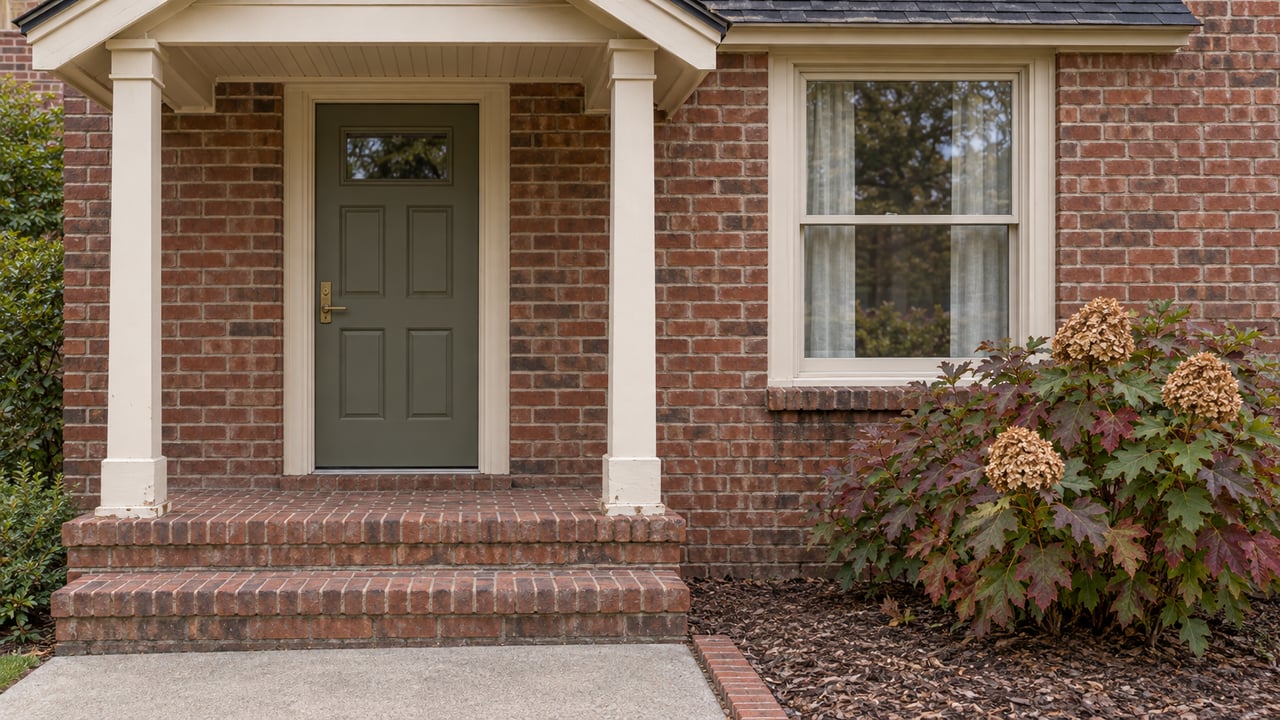
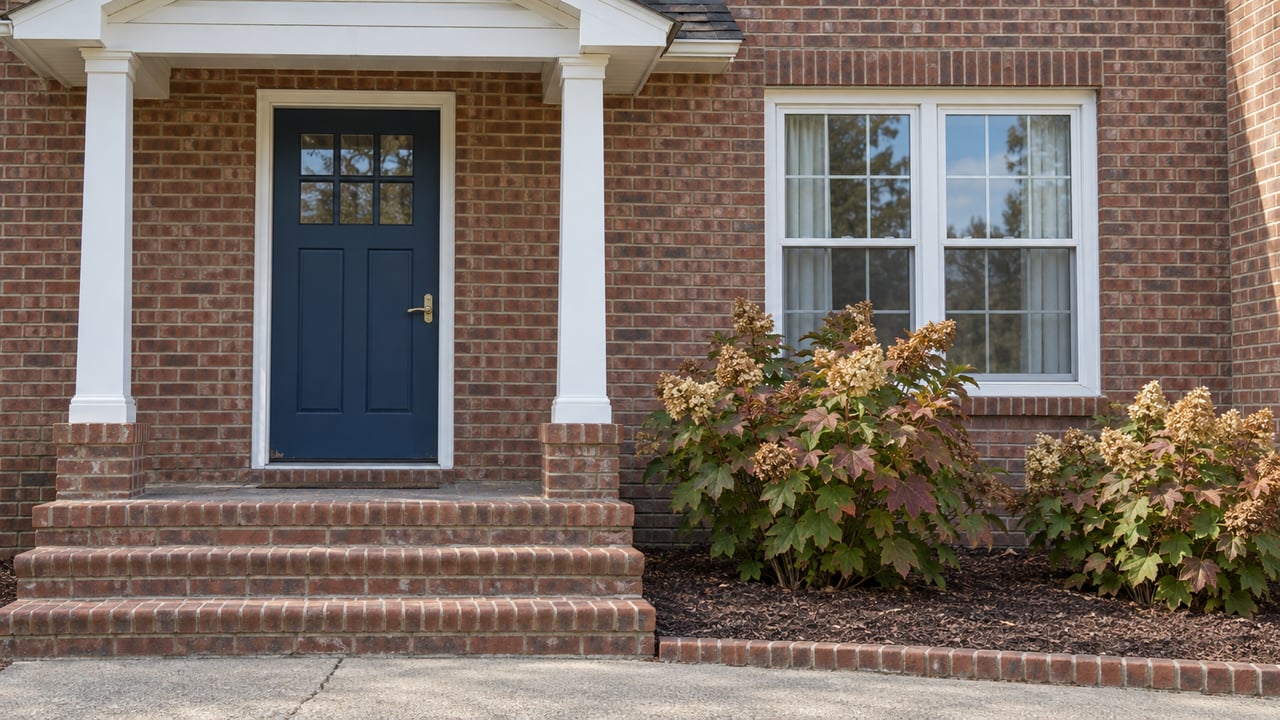
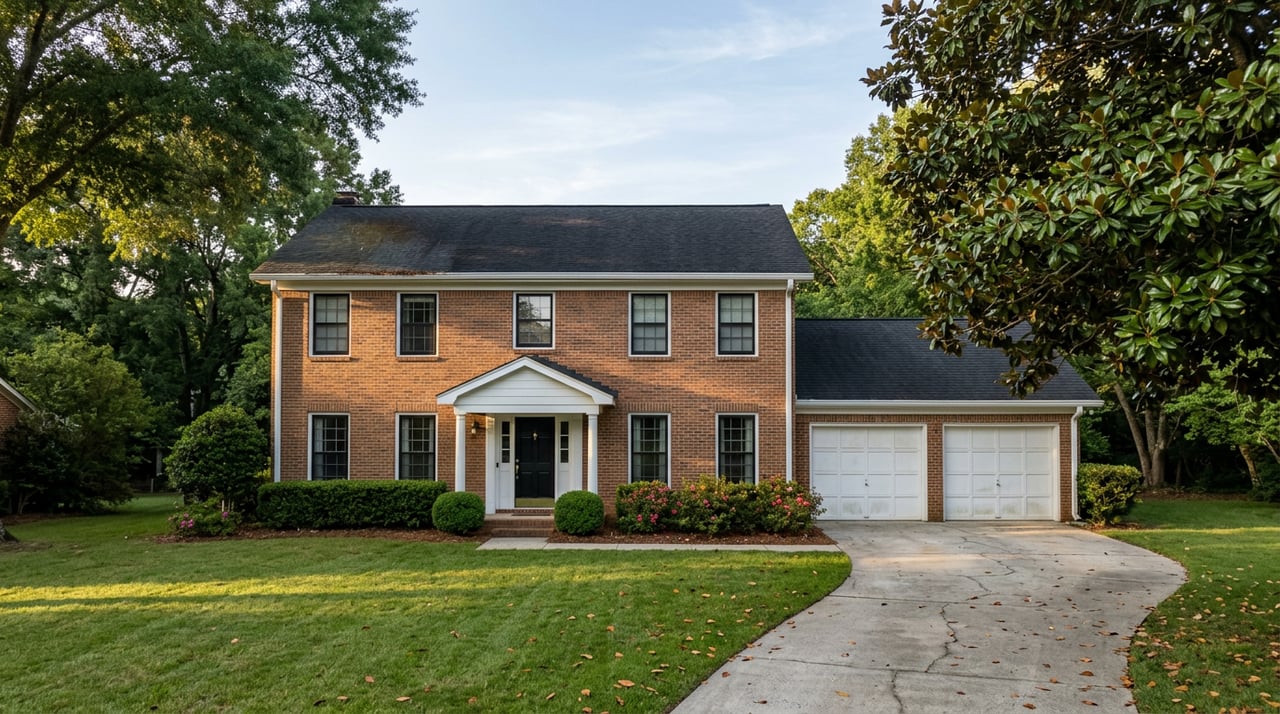
Your exterior creates the first impression, and it should be ready before photos are taken. Curb appeal is also one of the most common improvements agents recommend to sellers.
Keep your front exterior simple and tidy:
You want buyers to feel welcome before they step inside. A clean, cared-for exterior sets that tone immediately.
The entry sets expectations for the rest of the home. If it feels crowded or dim, buyers may carry that feeling through the showing.
Clear out everyday drop-zone items like shoes, backpacks, umbrellas, and mail. Add light with a working bulb or lamp, keep the floor spotless, and use just one mirror or one simple art piece instead of several small accessories.
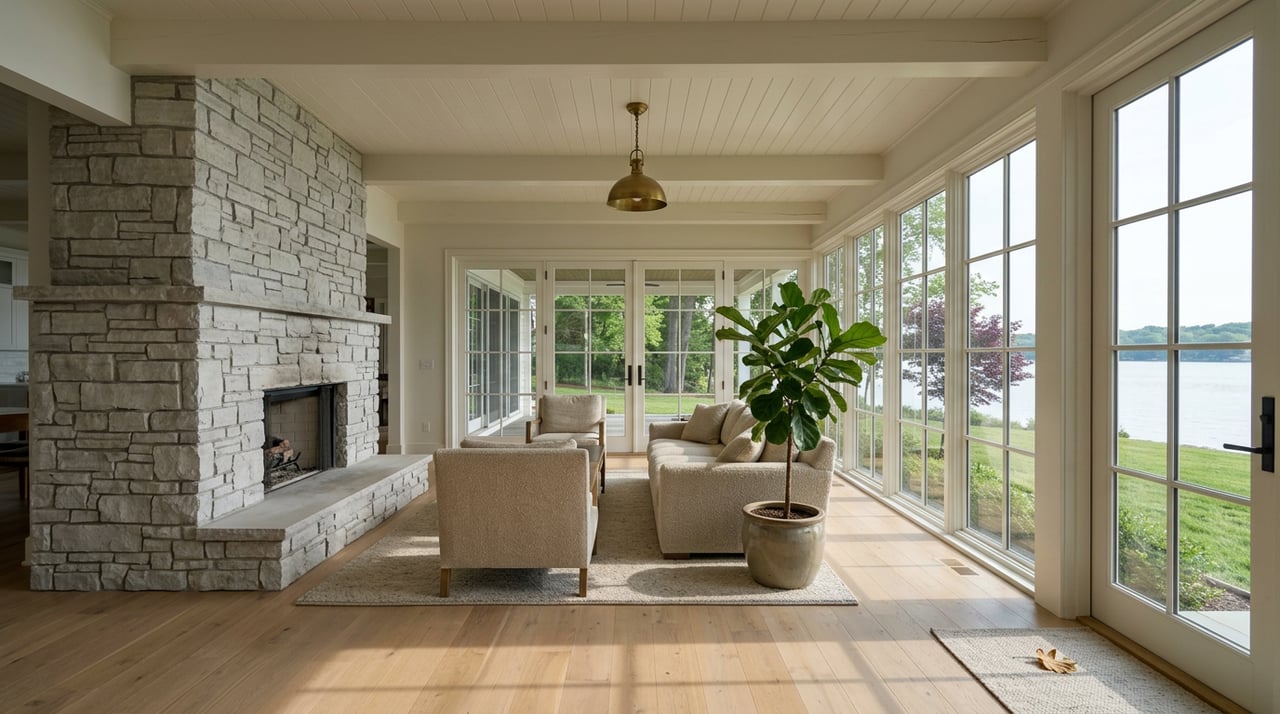
The living room is one of the highest-priority spaces for staging, so it deserves extra attention. Buyers want to understand the room size and see how people would naturally gather there.
Start by removing oversized or extra seating. If the room feels too full, it can seem smaller than it is.
Arrange furniture to show conversation space and clear traffic flow. Hide cords, remotes, pet beds, and bulky blankets, then bring in just one or two neutral accents so the room feels polished without looking busy.
Lighting also matters here. Open blinds and use lamps so the room looks bright and even in photos.
Kitchens carry a lot of weight with buyers, and clutter works against you fast. The goal is to make the space look clean, functional, and current.
Clear counters as much as possible. Leave out only a few everyday items if needed, and remove magnets, dish racks, and anything that makes the space feel visually busy.
Then focus on cleanliness. Scrub the sink, appliance fronts, backsplash, and grout lines, and keep trash concealed. A clean, neutral smell is just as important as the visual appearance.
If you have room in the budget, small updates can help the kitchen feel more current. Fresh cabinet hardware, a faucet replacement, or a new light fixture can create a noticeable lift without a full remodel.
A dining room should read as useful space, not storage overflow. If the room feels tight, remove extra leaves from the table or take out bulky pieces that crowd the layout.
Keep table styling simple. A light centerpiece is enough.
If your home has both a dining room and a breakfast area, give each one a clear purpose. That helps buyers understand how the home lives day to day.
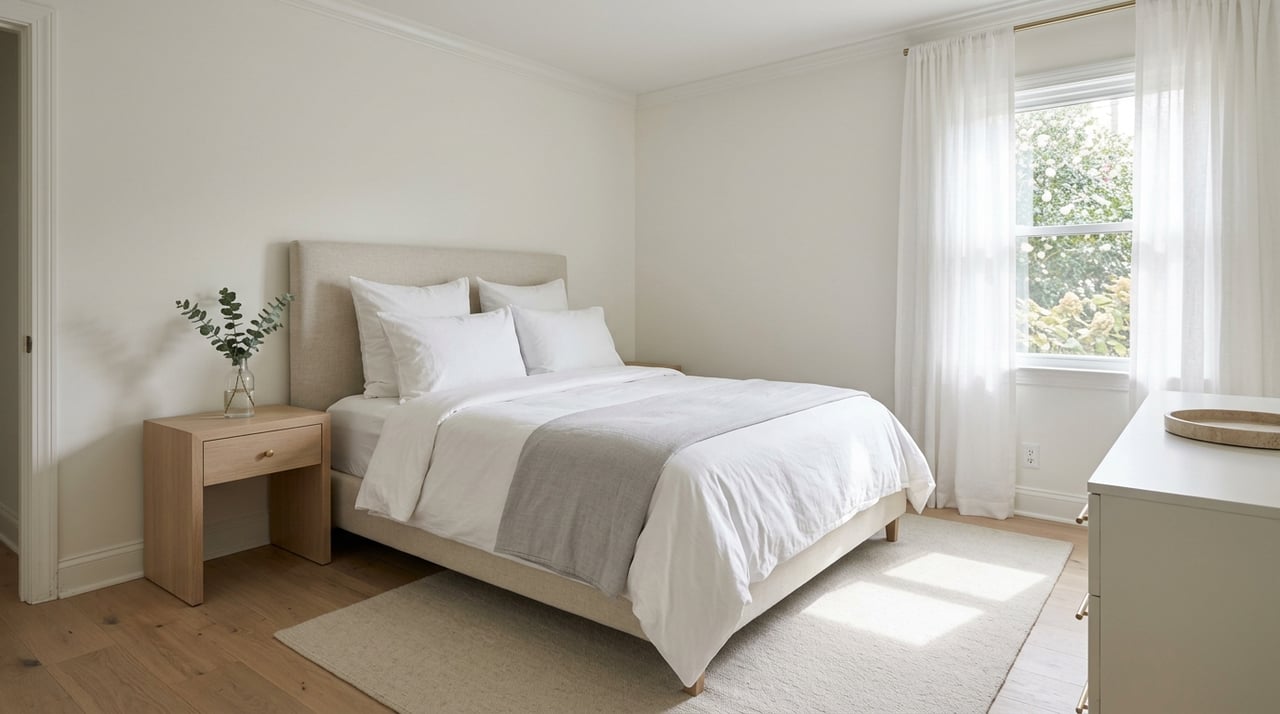
The primary bedroom should feel restful and spacious. This is one of the top rooms buyers notice, so a calm, simple setup goes a long way.
Use crisp bedding with a light layered look. Clear off nightstands except for one lamp and maybe one small accessory or book.
If the room has extra furniture, remove anything that pulls attention away from the bed. You also want closet space to look generous, so reduce visible contents and store away anything you do not need for daily use.
Guest rooms and secondary bedrooms do not need heavy styling. They just need to feel clean, useful, and easy to understand.
Give each room one clear job, like a bedroom with a small desk or a bedroom with one chair. Remove toy piles, sports gear, laundry baskets, and extra furniture that makes the room feel smaller.
It also helps to avoid decor themes that feel very personal or narrow. A simpler look makes it easier for buyers to picture their own needs in the space.
Bathrooms can show wear quickly, but many improvements are straightforward. Start by clearing counters so the room feels open and easy to maintain.
Replace old shower curtains, worn bath mats, or frayed towels. Re-caulk or touch up grout where needed, and check mirrors, vanity hardware, and light fixtures for easy cosmetic updates.
Before every showing, keep the bathroom dry, odor-free, and fully clean. Put toilet lids down and remove as many personal items as possible.
Laundry rooms, mudrooms, offices, basements, and garages should never feel like afterthoughts. Buyers notice whether these spaces seem functional or simply overloaded.
Group supplies into bins or baskets and clear loose items from the floor. In an office or flex room, show one clear purpose with minimal paperwork.
For basements and garages, focus on walkable paths, lighting, and order. If the space is unfinished, cleanliness and organization matter more than decor.
Some sellers can handle most staging with a smart plan and a little editing. Others benefit from professional support, especially if the home is vacant, the furniture is dated or oversized, the layout is awkward, or the home is at a higher price point.
NAR reports a median cost of $1,500 for a staging service, compared with $500 when the seller’s agent personally handled staging. That makes it important to be selective about where you spend.
A contractor is usually the better first call for anything beyond cosmetics. If a repair affects safety, function, or likely inspection concerns, fixing it before listing may save you time and stress later, especially in a market where homes are taking several weeks to sell.
If you want the short version, here it is: clean first, declutter hard, fix visible basics, and focus your best effort on the living room, kitchen, and primary bedroom. Those are the areas most likely to shape buyer perception.
You do not need a perfect house. You need a home that feels well cared for, easy to maintain, and ready for the next owner.
That is where thoughtful local guidance can make a real difference. If you are getting ready to sell in Greenville, Judy Johnson can help you prioritize staging, small repairs, and smart next steps before your home goes live.
Stay up to date on the latest real estate trends.



We understand that buying or selling a home is more than just a transaction: it's a life-changing experience. That's why our team of highly-seasoned real estate professionals is dedicated to providing exceptional, personalized service for all of our clients.