Greenville Suburbs Vs In-Town Living: How To Choose
June 11, 2026
June 11, 2026
If you are trying to decide between in-town Greenville and one of its nearby suburbs, you are not choosing between a right and wrong answer. You are choosing the setting that fits your daily life best. In the Greenville area, that choice can look very different from one neighborhood or town to the next, so it helps to compare lifestyle, housing, commute, and convenience before you make a move. Let’s dive in.
Greenville gives you more than a simple city-versus-suburb split. The City of Greenville had an estimated 75,310 residents in 2025, while Greenville County had 583,125, which shows how many buyers are really choosing among a wider network of places and neighborhoods.
That local network includes distinct communities like Simpsonville, Greer, and Travelers Rest, each with its own size, layout, and feel. VisitGreenvilleSC also breaks the area into clearly different zones such as Downtown Greenville, West Greenville, Augusta Road, Cherrydale/North Greenville, Roper Mountain Road, Woodruff Road, Pelham Road/Airport, Travelers Rest, Greer, and Simpsonville.
That matters because your best fit may come down to a very specific pocket of the market. In Greenville, micro-location often tells you more than a broad city or suburb label.
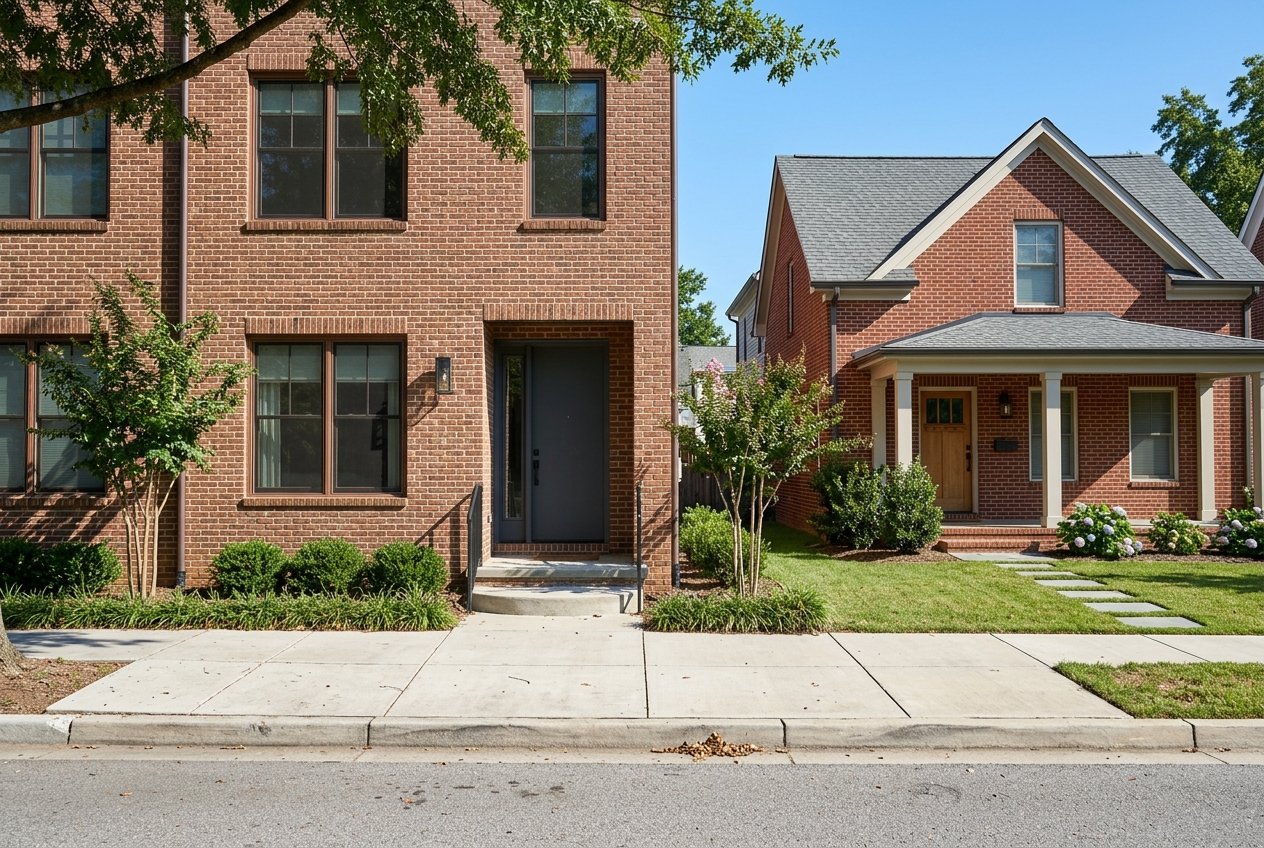
Living in-town often appeals to buyers who want to be closer to restaurants, parks, events, and mixed-use areas. Downtown Greenville is known for its walkable setting around Main Street, Falls Park, Liberty Bridge, museums, theaters, sports venues, public art, and a wide range of dining options.
The city also offers a strong park network. Public listings include Falls Park, Cleveland Park, Unity Park, McPherson Park, North Main Rotary Park, and Timmons Park, which gives in-town buyers several options for outdoor time close to home.
From a planning standpoint, Greenville has a mix of zoning and development patterns. The city’s public GIS guide includes house-scale neighborhoods, neighborhood-scale areas, shopfront mixed-use, mixed-use downtown, and downtown design categories, along with mapped sidewalks, trails, bike infrastructure, bike routes, and Greenlink bus routes.
That means in-town living is not one-size-fits-all. One area may feel very residential, while another may place you near shops, trails, transit, or a busier street grid.
In-town housing tends to be more varied than many buyers expect. Depending on the location, you may find condos, townhomes, older houses, or homes near mixed-use districts rather than one dominant style.
Census data also shows a different ownership pattern in the city than in nearby towns. In Greenville city, 41.1% of housing units are owner-occupied, the median owner-occupied value is $487,500, and the median gross rent is $1,312.
Those numbers do not tell you what any one block or neighborhood will cost. They do suggest that in-town Greenville often brings a broader mix of ownership and rental housing, along with higher home values overall than some nearby suburban markets.
If your work or routine centers on Greenville, an in-town location may save time. The city’s mean travel time to work is 19.0 minutes, compared with 23.4 minutes for Greenville County overall.
That does not mean every city address will beat every suburban commute. Still, it points to a potential advantage for buyers who want to stay closer to the urban core.
In-town Greenville also offers more ways to get around without relying only on a car. The city operates a free Main Street trolley, and public mapping tracks bus routes, bus stops, sidewalks, trails, bicycle routes, and bicycle infrastructure. The Prisma Health Swamp Rabbit Trail network also connects places across Greenville County.
Suburban living around Greenville is not all the same either. Some areas feel like classic subdivisions, while others include a town-center feel with shops, events, parks, and trail access.
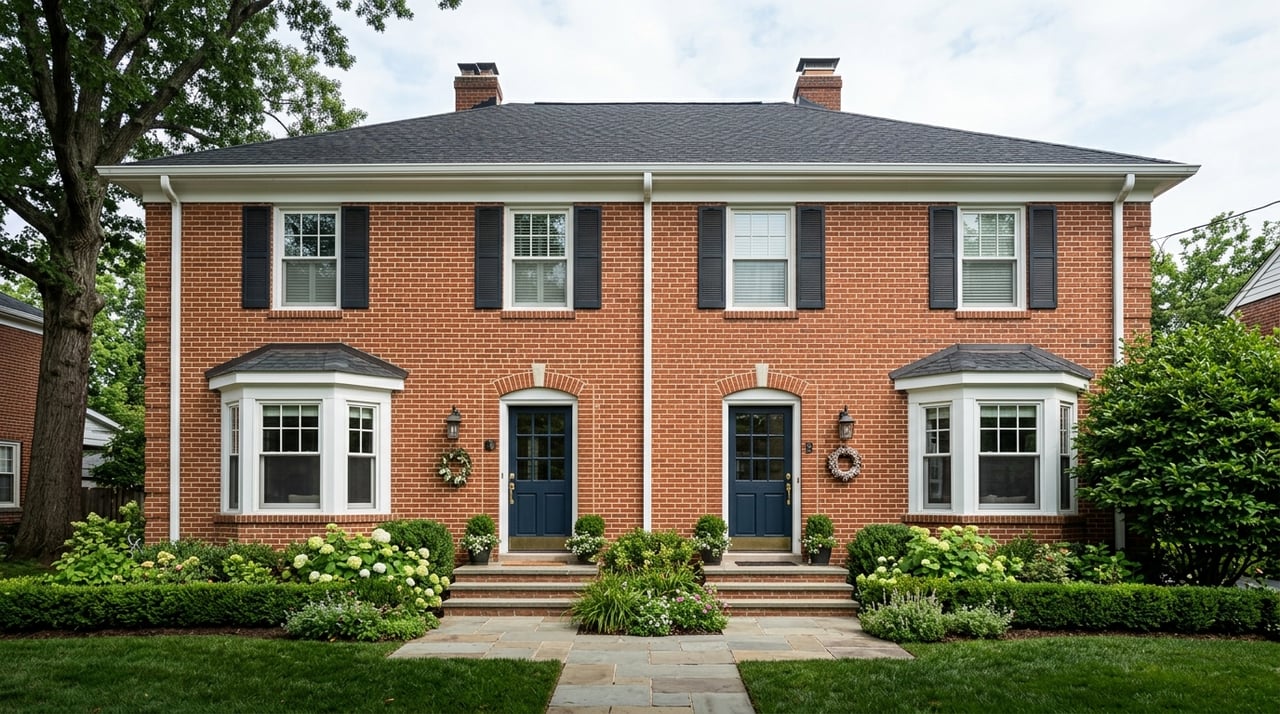
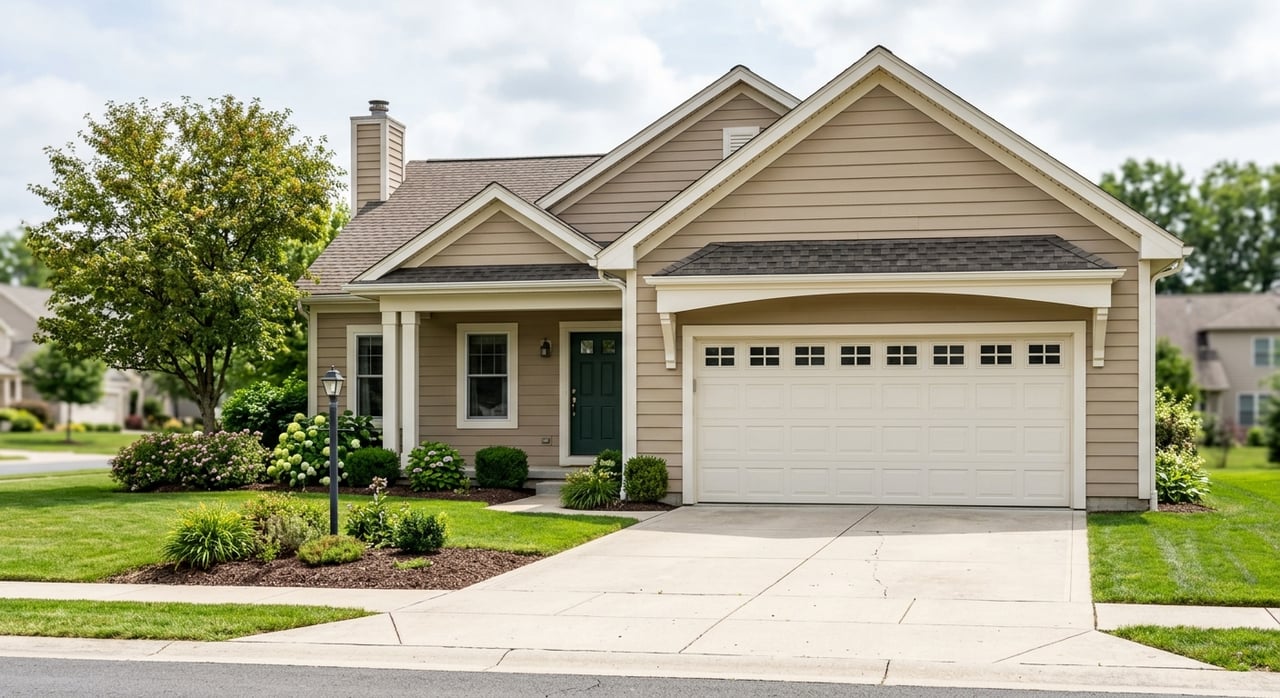
The Greenville County comprehensive plan describes suburban neighborhoods as medium-lot subdivisions with attached garages, curving streets, and occasional cul-de-sacs. It also describes suburban edge areas as lower-density single-family settings with larger lots or clustered homes that preserve open space.
That can be appealing if you picture a newer single-family home, a garage, or more yard potential. It can also be a fit if you want a quieter day-to-day setting while staying connected to Greenville.
Nearby suburban towns show stronger owner-occupancy rates than Greenville city. Simpsonville is 68.5% owner-occupied, Greer is 72.7%, and Travelers Rest is 59.9%.
Median owner-occupied home values are also lower overall than in the city. Simpsonville is at $299,300, Greer at $288,700, and Travelers Rest at $284,800, compared with $487,500 in Greenville city.
That does not make one choice better than another. It simply means many buyers will find a different cost and housing pattern in nearby towns, especially if they are looking for more traditional suburban inventory.
One of the biggest surprises for many buyers is that suburban Greenville County does not always mean you are far from activity. Some nearby towns have built their own lively centers.
Simpsonville describes its downtown as a hub with restaurants, boutiques, murals, mixed-use development, a food hall, and the first stretch of its Swamp Rabbit Trail segment. Its parks system also includes Heritage Park, with paved trails, a miniature steam train, and an amphitheater.
Greer offers a similar blend. The City of Greer says Greer Station spans about 12 square blocks with retail, dining, entertainment, and professional services, while the city’s parks department lists 21 parks, 412 acres of green space, 154 programs and events, and more than 88,000 annual participants. The city also highlights free downtown parking.
Travelers Rest stands out for an outdoor-oriented town feel. It is about 9.6 miles from downtown Greenville, and local tourism information describes it as a trail-focused destination with locally owned shops and restaurants. Trailblazer Park hosts the Travelers Rest Farmers Market, which is listed with more than 85 vendors and free onsite parking.
Commute time is often one of the easiest ways to test your priorities. Census data shows Greenville city at a 19.0-minute mean travel time to work, while Simpsonville is 22.4 minutes, Greer is 24.3 minutes, and Travelers Rest is 23.5 minutes.
Those differences are not dramatic, but they can add up over time. If you commute into or near central Greenville most days, closer-in living may support a simpler routine.
On the other hand, if your job is outside downtown or your schedule is more flexible, a suburban location may feel like a better trade for the home style or setting you want. This is where your actual weekly routine matters more than a map label.
The best decision usually comes from looking at your habits, not just listings. Before you focus on one area, think through how you want your days to work.
Here are a few practical screening points:
If you answer those questions honestly, your search often gets clearer fast. What you want every Tuesday morning matters more than what sounds good in theory.
If your top priorities are walkability, easier access to restaurants and events, mixed-use surroundings, and the option to use transit, sidewalks, or trails, in-town Greenville may be the stronger match. It can also make sense if staying closer to the city center is important for your routine.
If your priorities lean toward a more conventional subdivision, a larger lot, stronger owner-occupancy patterns, or a quieter setting with room to spread out, the suburbs may fit better. That is especially true if you still want access to downtown Greenville without living in the middle of it.
The key is to compare specific neighborhoods and towns, not just broad labels. In the Greenville area, a town-center section of Simpsonville or Greer may feel very different from a low-density subdivision, and one in-town neighborhood may feel very different from another.
This is one of those real estate choices where details matter. Two homes can be priced similarly but offer completely different lifestyles based on street pattern, lot size, access to parks or trails, and how close they are to the places you actually use.
That is why a neighborhood-first approach works so well in Greenville. When you look beyond labels and focus on how each micro-location fits your routine, you can make a decision that feels right long after move-in day.
If you are weighing in-town Greenville against Simpsonville, Greer, Travelers Rest, or another nearby area, Judy Johnson can help you compare neighborhoods, narrow your search, and move forward with practical local guidance.
Stay up to date on the latest real estate trends.
We understand that buying or selling a home is more than just a transaction: it's a life-changing experience. That's why our team of highly-seasoned real estate professionals is dedicated to providing exceptional, personalized service for all of our clients.