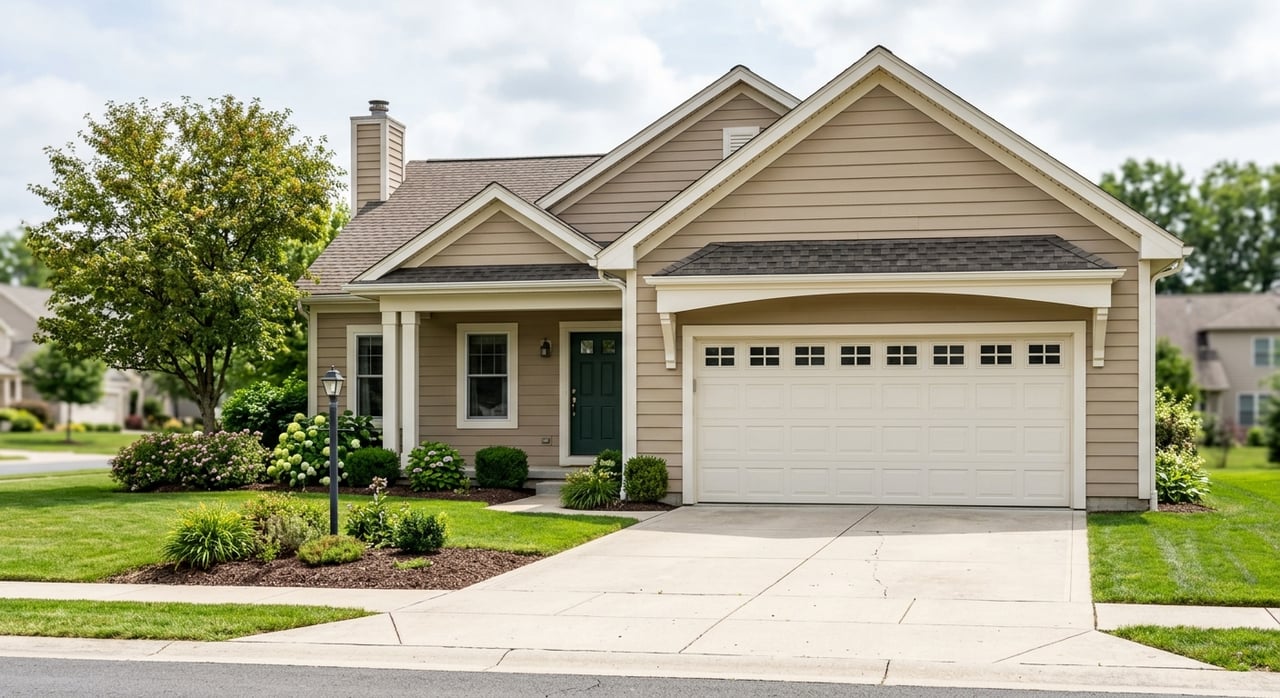
First-Time Homebuyer Guide To Easley, South Carolina
April 16, 2026
April 16, 2026
Buying your first home in Easley can feel exciting, but it can also raise a lot of questions fast. How much home can you afford, what help is available, and how long will the process really take? If you want a clear, local guide to what first-time buying looks like in Easley, this article will walk you through the basics so you can move forward with more confidence. Let’s dive in.
Easley is the economic and residential center of Pickens County, with an estimated population of 27,001 as of July 2024, according to the City of Easley. For many first-time buyers, it offers a chance to shop in an Upstate location with a range of resale homes and starter-friendly options.
Current pricing shows why planning matters. Zillow's Easley home value data places the average home value at $316,029, while Realtor.com’s Easley market overview reports a median listing price of $339,000, a 98% sale-to-list ratio, and a median of 64 days on market. The exact number varies by source, but both point to a relatively active market in the low-to-mid $300,000 range.
That means many first-time buyers in Easley are not shopping at bargain-basement prices. Based on recent listing examples in the same market overview, homes around roughly $309,779 to $314,900 often include modest resale single-family homes with 2 to 5 bedrooms and 1.5 to 3 baths. In practical terms, you should expect to budget carefully and compare financing options early.
One of the biggest surprises for buyers is that “first-time homebuyer” does not always mean you have never owned a home. In Pickens County, which SC Housing identifies as a non-targeted county, buyers generally must be first-time homebuyers or have had no ownership interest in a principal residence during the previous three years, according to the SC Housing Homeownership Program handout.
That definition matters because it may open the door to financing and down payment help. Eligibility, income limits, and sales price limits can change, so you should always confirm your current status with a participating lender before you start making offers.
If saving for a down payment feels like the hardest part, you are not alone. The good news is that South Carolina offers several programs that may help qualified buyers cover upfront costs.
The SC Housing Homebuyer Program offers low fixed-rate mortgages and down payment assistance for qualified buyers. On bond loans, the down payment assistance comes as a 0% second lien that may be forgiven after 15 years if you remain in the home.
This program can help with both your down payment and closing costs, which is important in a market where prices are often above $300,000. County-specific income limits and sales-price limits apply, so it is smart to review the current guidelines with a lender before you rely on any estimate.
SC Housing’s handbook highlights several lower-down-payment options within the program:
The same SC Housing handout notes a minimum credit score of 640 for those program examples, although a credit score alone does not guarantee approval. Your income, debt, assets, and full loan file still matter.
Another option is Palmetto Home Advantage, which is available in all 46 South Carolina counties. SC Housing says this program offers conventional, FHA, VA, and USDA loans, includes forgivable down payment assistance, and does not require you to be a first-time buyer.
SC Housing lists a statewide income limit of $137,500 for this program. Even if you qualify as a first-time buyer, it is worth comparing this option with the standard SC Housing Homebuyer Program to see which structure better fits your goals.
SC Housing also offers Mortgage Credit Certificates through its programs for homebuyers page. This may reduce your federal tax liability by 30% of the mortgage interest you pay, up to $2,000 per year.
Because this is a tax-related benefit, it is best to discuss it with a tax professional. Still, for some buyers, it can be a meaningful part of the overall affordability picture.
A lot of first-time buyers focus on the down payment and forget that closing costs are a separate expense. The Consumer Financial Protection Bureau says closing costs typically range from 2% to 5% of the purchase price, not including the down payment.
Your actual costs will depend on the purchase price, loan type, lender fees, and location. On a home in Easley priced in the low-to-mid $300,000s, that can add up quickly, which is one reason assistance programs and seller concessions matter so much for first-time buyers.
The CFPB also notes that buyers may save money by shopping for title and other closing services. In fact, the agency says borrowers who compare options could save as much as $500 on title services alone through the closing services shopping guidance.
Before you tour too many homes, get clear on what a lender is willing to approve and what payment feels comfortable for your monthly budget. Those are not always the same number.
When comparing lenders, timing matters. Freddie Mac recommends doing your mortgage shopping within a 45-day window so multiple credit checks are less likely to hurt your score. That gives you room to compare rates, fees, and program options without dragging the process out too long.
Once you are preapproved and under contract, the process usually moves through a few key stages. While every deal is different, knowing the general timeline can make the experience feel much less stressful.
After your offer is accepted, Freddie Mac says the closing period typically lasts 30 to 45 days, although 30 to 60 days is also possible depending on the transaction. That timeline includes inspections, appraisal, underwriting, title work, and final loan approval.
If you are moving out of a rental or coordinating a lease end date, build in some flexibility. Delays do happen, even when everyone is working in good faith.
According to Freddie Mac, a home inspection usually takes two to three hours, and the written results often arrive about two days later. The appraisal can take up to two weeks, which is one reason the middle part of a transaction can feel slower than expected.
That waiting period is normal. It does not always mean something is wrong.
The CFPB says lenders must provide your Closing Disclosure at least three business days before closing. This gives you a short but important review period to confirm your loan terms, cash to close, and final fees.
Freddie Mac also recommends doing a final walk-through about 24 hours before closing. This is your chance to confirm the property is in the expected condition before you sign.
A home inspection is not just another box to check. It is one of your main protection tools as a buyer.
Freddie Mac explains that inspection contingencies are normal and may give you the right to renegotiate repairs or walk away if major problems are found. HUD also says buyers should get a home inspection when purchasing a home, and if you are considering a HUD home or another fixer-upper, HUD warns that these homes are sold as-is and strongly encourages a professional inspection before you submit an offer.
For a first-time buyer, that matters a lot. A lower list price can look attractive at first, but major repair costs can change the true cost of ownership very quickly.
You do not have to figure everything out on your own. If you want neutral education before making a decision, both HUD and the CFPB direct buyers to HUD-approved housing counselors.
The CFPB says these counselors can provide independent advice, often at little or no cost. That can be especially helpful if you are weighing loan programs, trying to improve your readiness to buy, or simply want a second opinion before moving forward.
If you want to stay organized and avoid common mistakes, focus on these basics:
Buying your first home in Easley is a big step, but it does not have to feel overwhelming. With realistic expectations, a solid financing plan, and local guidance, you can move through the process with much more clarity. If you want a responsive, neighborhood-focused partner to help you understand your options and navigate each step, connect with Judy Johnson.
Stay up to date on the latest real estate trends.


We understand that buying or selling a home is more than just a transaction: it's a life-changing experience. That's why our team of highly-seasoned real estate professionals is dedicated to providing exceptional, personalized service for all of our clients.