Spartanburg Historic vs New Homes: How to Choose
June 25, 2026
June 25, 2026
Trying to choose between a historic home and a newer build in Spartanburg? You are not alone. In a market where many homes were built decades ago but new construction is still being added, the right choice often comes down to your budget, lifestyle, and comfort with maintenance. This guide will help you compare the pros and cons so you can move forward with more clarity and confidence. Let’s dive in.
Spartanburg gives you a real choice between older homes with character and newer homes with modern systems. According to the City of Spartanburg, 75% of owner-occupied homes and 62% of renter-occupied units were built before 1980. That means older housing is a major part of the local market.
At the same time, Spartanburg County reports that new housing is still being added, and much of the permitted growth has been single-family homes. Several city projects are also under construction or planned. For buyers, that creates two very different paths, each with clear benefits and tradeoffs.
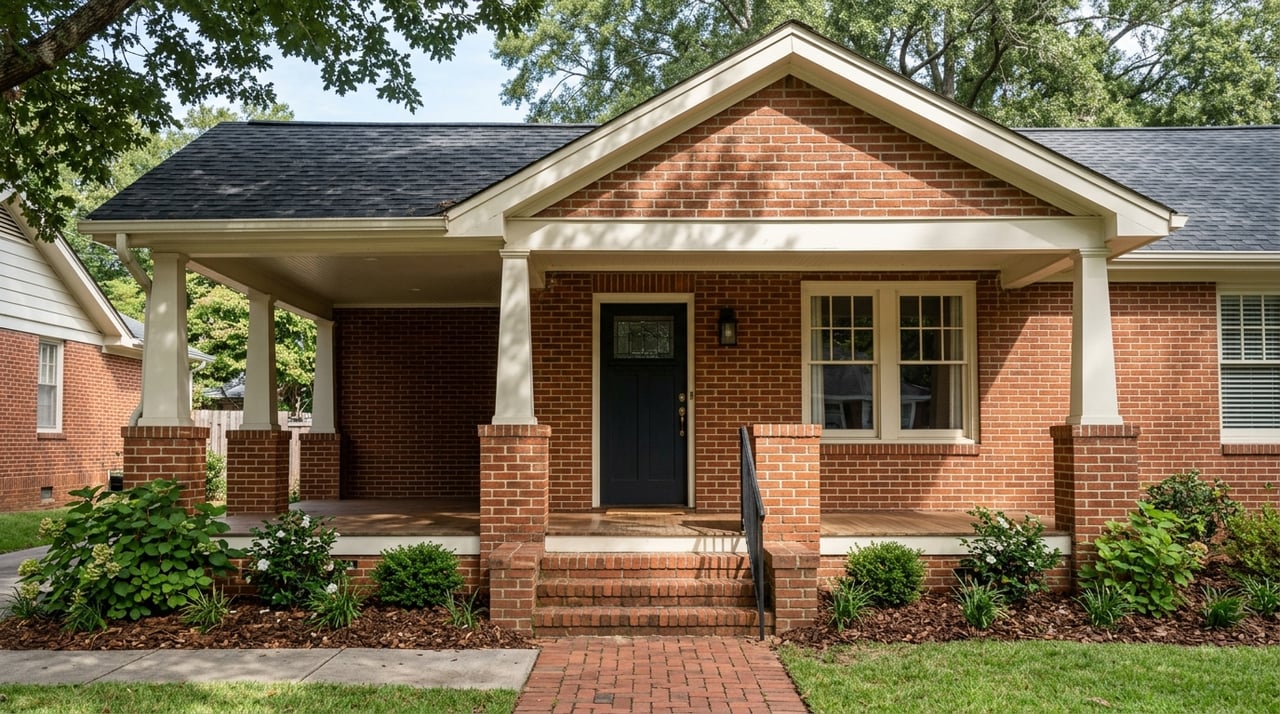
Older homes often stand out for details that are hard to recreate. You may find distinctive architecture, larger setbacks, mature landscaping, and a more established streetscape. In Spartanburg, Hampton Heights is one of the clearest examples of that kind of setting.
The City of Spartanburg notes that Hampton Heights developed largely from 1890 to 1930. The district includes Queen Anne, Bungalow, Craftsman, Four-Square, and Neo-Classical styles. Beaumont Mills reflects another part of local history through the city’s mill-village heritage.
For some buyers, that character is the main reason to choose an older home. If you enjoy original design features and a setting that feels rooted in local history, older neighborhoods can offer a strong sense of place.
South Carolina offers a 25% state historic rehabilitation tax credit for eligible owner-occupied residences. That can be a meaningful benefit if you buy a qualifying property and plan to improve it.
There is an important catch, though. Applications must be submitted before work begins. If you are considering a home that may qualify, it is smart to confirm the timing and requirements early in your planning process.
Spartanburg County also notes that older homes can help preserve affordable housing and existing inventory. That does not mean every older home is less expensive, but it does mean older housing plays an important role in the range of choices available to buyers.
If you are budget-conscious, an older home may open up options that are worth a closer look. You just want to weigh the purchase price against the likely cost of repairs, updates, and ongoing upkeep.
The biggest tradeoff with an older home is usually maintenance. Spartanburg County links older homes to aging plumbing, electrical, and HVAC systems. The county also notes higher maintenance costs and higher heating and cooling costs as common issues.
Energy performance can be another concern. Older homes often have less insulation than homes built today, which can affect comfort and utility bills. If you are comparing options, it helps to ask direct questions about insulation, air sealing, and past system updates.
If a home was built before 1978, lead-based paint may be a concern. That does not mean every pre-1978 home has an active problem, but it does mean you should pay close attention to required disclosures and condition details.
This is especially important if you are planning renovations soon after closing. Understanding what is original, what has been updated, and what may need specialized handling can help you plan more accurately.
In Spartanburg’s locally designated historic districts, exterior changes, additions, and new construction may require review by the Historic Architecture and Review Board, also called HARB. The city uses this process to help ensure changes are consistent with local guidelines.
For some buyers, that review process is perfectly reasonable. For others, it may feel like an extra layer of planning. If you want flexibility to make exterior changes quickly, you should confirm whether a property is located in a local historic district before you buy.
New construction appeals to buyers who want more predictability. In the City of Spartanburg, new homes are inspected under current code enforcement. The city says it began enforcing the 2021 International Codes on January 1, 2023, and it inspects all new construction while issuing residential permits.
That does not guarantee perfection, but it does mean the home was built and inspected under today’s standards. For many buyers, that can bring peace of mind, especially if you want to avoid immediate repairs after move-in.
Well-built new homes may include features that support better comfort and lower energy use. Common advantages can include air sealing, moisture protection, improved indoor air quality, more even temperatures, and lower energy bills.
If comfort matters to you, newer construction can be easier to live with from day one. Systems are newer, insulation is often better, and the home may be designed with current expectations for daily living.
Another common benefit of a newer home is the lower chance of facing a major system update right away. Compared with an older home, you are generally less likely to need immediate replacement of HVAC equipment, electrical components, or plumbing infrastructure.
That can make budgeting easier in the first few years of ownership. If you prefer fewer unknowns, this is one of the strongest reasons to consider new construction.
New homes are not automatically the better fit for everyone. One potential downside is that they may feel less distinctive than older homes in established parts of Spartanburg. County housing analysis suggests recent local production has been dominated by single-family homes and newer planned projects, which can create a different look and feel from historic neighborhood fabric.
That is not necessarily a negative. It simply depends on what you value more: modern function or architectural personality.
It is also important to remember that code compliance is not the same as premium construction. City inspections confirm minimum standards, but they do not tell you everything about materials, finishes, layout choices, or the level of upgrades in a particular home.
That is why buyers should still compare builder specs carefully. Two new homes can look similar online but perform very differently in terms of comfort, durability, and long-term value.
The best choice usually comes down to your priorities. If you love architectural character, mature landscaping, and established streetscapes, an older or historic home may be the right fit. You just need to be comfortable budgeting for inspections, possible rehabilitation, and any permit or HARB review that may apply.
If you want current-code systems, fewer near-term maintenance issues, and features that may support efficiency and comfort, new construction may make more sense. That path can be especially appealing if you want a simpler move-in experience.
No matter which type of home you prefer, asking the right questions can help you avoid surprises. These details matter in both older homes and newer homes.
If insulation or air sealing is unclear, a home energy assessment can help you better understand the home’s performance. That can be especially useful when comparing an older property to a newer one.
Choosing between a historic home and a new one in Spartanburg is not about finding a universally better option. It is about finding the better match for your goals, budget, and tolerance for future work. If you want a local guide who can help you compare neighborhoods, property condition, and day-to-day tradeoffs, reach out to Judy Johnson.
Stay up to date on the latest real estate trends.
We understand that buying or selling a home is more than just a transaction: it's a life-changing experience. That's why our team of highly-seasoned real estate professionals is dedicated to providing exceptional, personalized service for all of our clients.