Living In Downtown Greenville: A Homebuyers Guide
February 5, 2026
February 5, 2026
Thinking about living steps from restaurants, river views, and live events? Downtown Greenville gives you that lifestyle in a compact, walkable core centered on Main Street and the Reedy River. If you’re curious about what daily life looks like, what types of homes are available, and what to watch for as a buyer, you’re in the right place. In this guide, you’ll learn how housing, transportation, amenities, and tradeoffs come together so you can decide if downtown fits your goals. Let’s dive in.
For this guide, “downtown Greenville” refers to the Main Street corridor, Falls Park on the Reedy, and the adjacent West End area. These blocks blend shops, restaurants, cultural venues, parks, and a growing number of condos, lofts, and townhomes. Boundaries can vary by source, so use this as a practical frame for everyday living and home search planning.
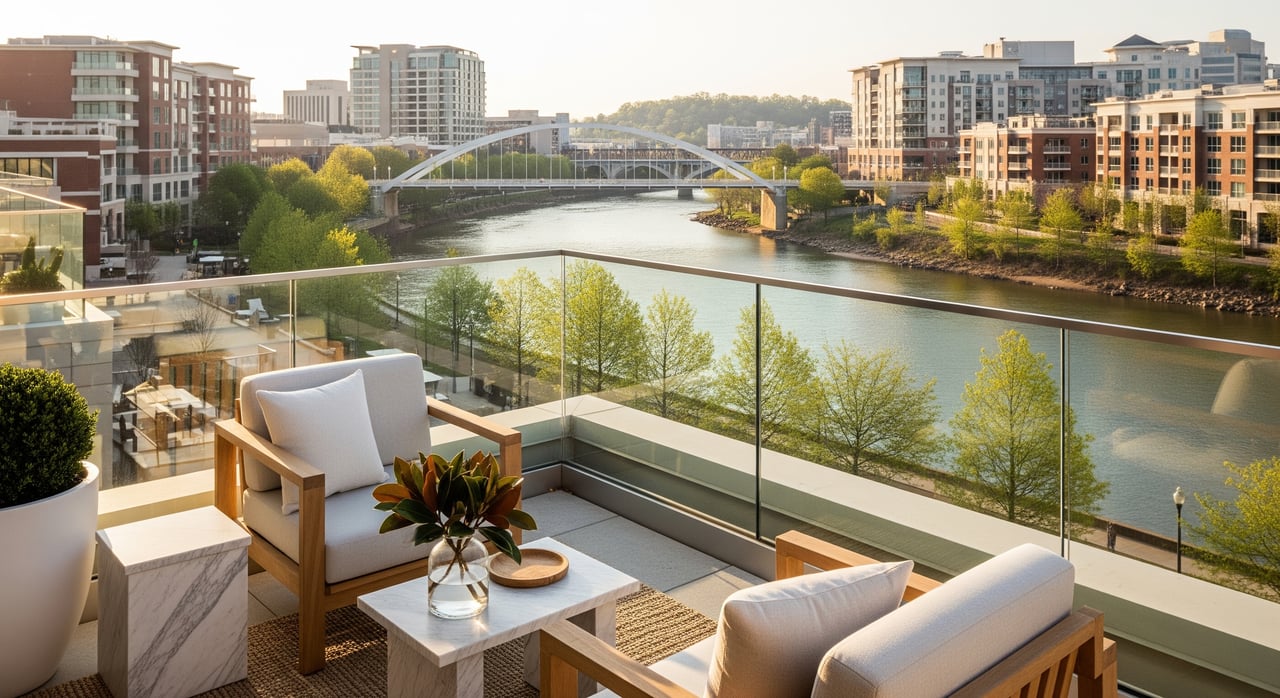
Downtown Greenville is compact and walkable. You can run errands, meet friends for dinner, and take a riverfront stroll without getting in your car. Falls Park and the riverwalk are the anchors, with a pedestrian suspension bridge overlooking the falls and green space for daily walks, picnics, and meetups.
Weekends often feature farmer’s markets, outdoor concerts, festivals, and periodic sports or arena events that draw crowds to the core. You’ll also find fitness studios, banks, medical clinics, and coffee shops near or within the core. The result is an active day-to-night rhythm that feels different from quieter, strictly residential suburbs.
You have a mix of home types in and around the core. Options vary by block, but most buyers consider one or more of the following:
Most downtown condos and townhomes come with an HOA. Fees typically cover exterior maintenance and common areas, and sometimes include utilities or parking. Review the full list of inclusions so you understand monthly costs and what the community maintains.
Buying in the downtown core is different than buying in a suburban subdivision. Keep these factors on your list as you tour:
Homes in the downtown core usually command a higher price per square foot compared with the broader metro area due to walkability and demand. Smaller condos and studios have historically been the entry point, while larger condos, townhomes, and historic homes command premiums. For current numbers, rely on recent MLS data and building-specific comps rather than broad averages.
Downtown prioritizes walking and biking for many daily needs. The Swamp Rabbit Trail runs through the area and connects downtown to neighborhoods and to Travelers Rest. It is a popular route for walking, running, and biking. Bike lanes and multiuse trail access vary by corridor, so test your route.
Local bus service serves parts of the metro. Coverage and frequency vary by route, so check current schedules for your specific commute. Micro-mobility options like bike share or e-scooters may be available seasonally. Rules and availability change, so verify before you plan around them.
By car, you have straightforward access from downtown to major regional routes. Drive times to suburban employment centers depend on time of day and traffic, with rush hours often adding time. If you plan to park downtown, weigh the cost and convenience of meters, garages, or private lots on a block-by-block basis. For travel beyond the Upstate, a regional airport serving Greenville and Spartanburg offers the primary air gateway.
Main Street and nearby corridors offer a broad mix of independent restaurants, coffee shops, bars, and breweries. Retail skews toward boutiques and specialty shops, with larger-format stores found outside the core. Performing arts venues, galleries, and seasonal public arts events shape an active cultural calendar. Sports and event venues add periodic crowds on game days and show nights.
The heartbeat of outdoor life is Falls Park and the riverwalk. You can step out for a quick lunch-hour loop or make it a weekend routine. The Swamp Rabbit Trail expands your options for longer runs and rides without busy roads.
Public schools are limited inside the immediate downtown footprint, so families often look at nearby in-town neighborhoods or suburban options. Always verify school attendance zones and program availability with Greenville County Schools and individual school resources. Private and charter choices exist within the broader area. Transportation to activities and schools may shape your daily routine more than it would for a downtown office commute.
Perceptions of safety vary by block and time of day. For the clearest picture, review official Greenville Police Department statistics and neighborhood crime maps. When touring, visit at different hours to understand foot traffic, lighting, and event patterns near your prospective address.
Every buyer weighs different tradeoffs. Here is a simple snapshot to help you prioritize.
Downtown Greenville pros
Downtown Greenville cons
Nearby suburbs like Travelers Rest, Mauldin, Simpsonville, Greer, and Taylors
Start with coffee on Main Street, then walk the riverwalk to the suspension bridge at Falls Park. Hop on the Swamp Rabbit Trail for a longer ride or run. Brunch is a short walk away, followed by boutique shopping or a matinee at a performing arts venue. On event days, you may catch a ballgame or a show, then meet friends for dinner, all without moving your car.
When you are ready, partner with a local guide who knows the buildings, HOAs, and micro-locations block by block. A hands-on advisor can help you compare options, line up vendor quotes, and navigate due diligence with confidence.
Buying in the core is part lifestyle and part logistics. The right plan helps you enjoy the walkable perks while avoiding surprises on parking, fees, and insurance. If you want a personalized tour of downtown buildings, help reading HOA documents, or a comparison of downtown versus nearby suburbs, reach out to Judy Johnson. You will get neighborhood-first advice, responsive communication, and concierge-level support for relocation, vendor referrals, and closing details.
Stay up to date on the latest real estate trends.
We understand that buying or selling a home is more than just a transaction: it's a life-changing experience. That's why our team of highly-seasoned real estate professionals is dedicated to providing exceptional, personalized service for all of our clients.