Leave a Message

Thank you for your message. We will be in touch with you shortly.

Explore Properties

Cliffs Communities HOA and POA Rules, Explained

January 1, 2026

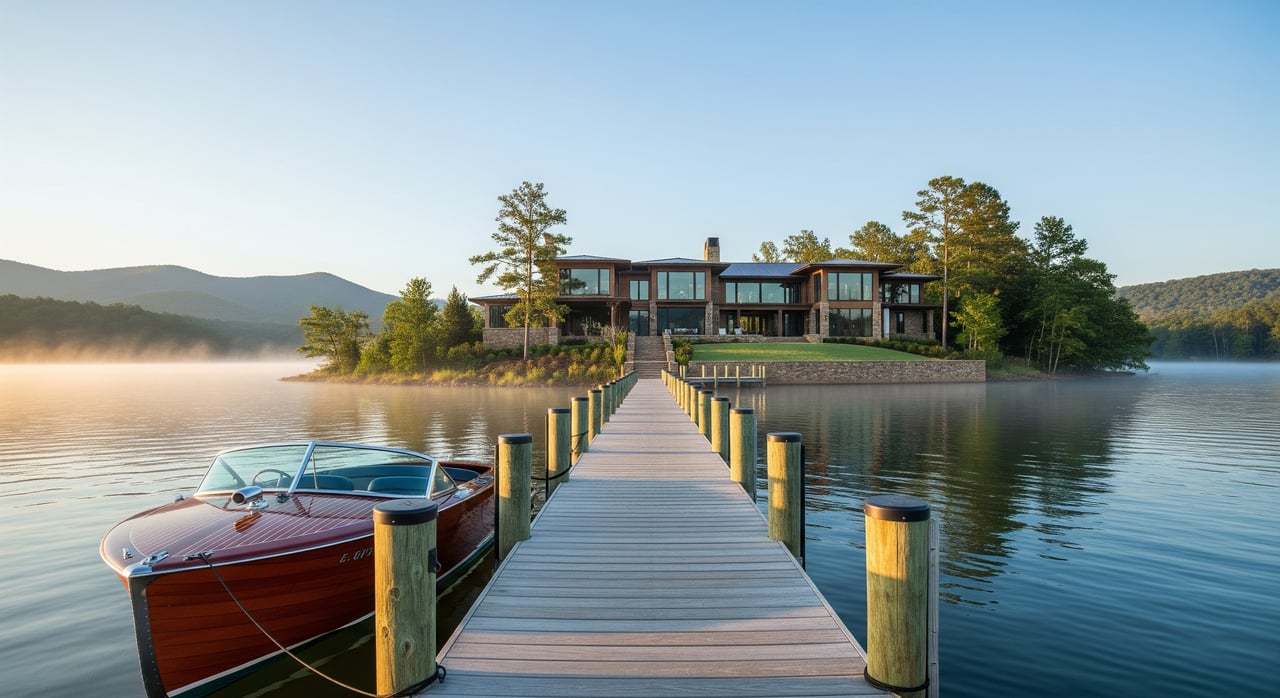
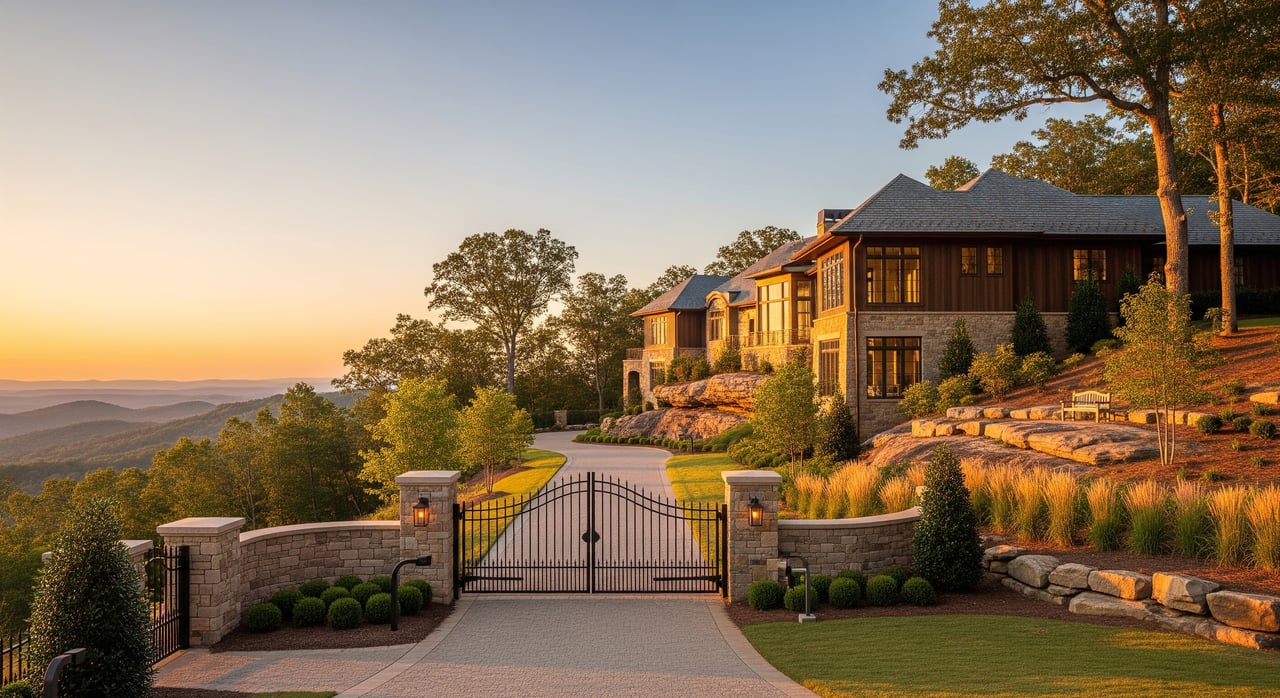
Are you picturing mornings on a mountain ridge or afternoons by the lake inside The Cliffs near Greenville and Landrum, but unsure what the HOA or POA expects from you? You are not alone. The layers of rules, approvals, dues, and club memberships can feel complex at first glance. This guide breaks down how governance works, what rules are common, how approvals and dues function, and what to review before you buy. Let’s dive in.

What “The Cliffs” means for owners

The Cliffs is a collection of private, gated, amenity-rich villages in the South Carolina and North Carolina Upstate. Several are convenient to Greenville and Landrum, including options like The Cliffs at Glassy. Each village is master planned with design standards, common-area maintenance, and private amenities that protect the community’s look and long-term value.

When you purchase, you typically take part in two systems:

  • A village-level HOA or POA that manages common areas, design standards, and day-to-day rules.
  • A private Club entity that runs golf, dining, fitness, and social programming, with separate membership terms and fees.

This structure is normal for amenity communities. Your HOA or POA governs property use and community upkeep, while the Club manages premium recreational amenities. Always review both sets of documents before you decide.

HOA, POA, and Club membership

It helps to separate the roles:

  • HOA or POA: Oversees community standards, roads and landscaping that are private to the community, gate operations, and enforcement of covenants. You pay recurring dues and must follow the recorded rules.
  • Master association: Some villages participate in a broader association for cross-village resources. This brings an additional layer of documents and possibly more fees.
  • Club: Golf and club facilities are often owned or managed by a separate entity. Membership can be optional or tied to ownership depending on the village. Initiation fees and recurring dues are independent of HOA dues.

Your rights, obligations, and costs will vary by village. The governing documents are the final word.

Documents to request and read

Ask the seller, listing agent, or association manager for a full package. At minimum, review:

  • Declaration of Covenants, Conditions & Restrictions (CC&Rs or Declaration)
  • Bylaws and Articles of Incorporation
  • Rules and Regulations or Community Policies
  • Architectural Guidelines or Design Review Criteria
  • Any master association documents and inter-village use agreements
  • Club membership agreement, fee schedule, and access rules
  • Current budget, most recent financial statements, and reserve study
  • Board meeting minutes from the last 12 to 24 months

These documents explain what you can build, how the association operates, what it can charge, and how future changes get approved.

Common rules you should expect

Each village writes its own rules, but luxury planned communities share recurring themes.

Architectural and exterior controls

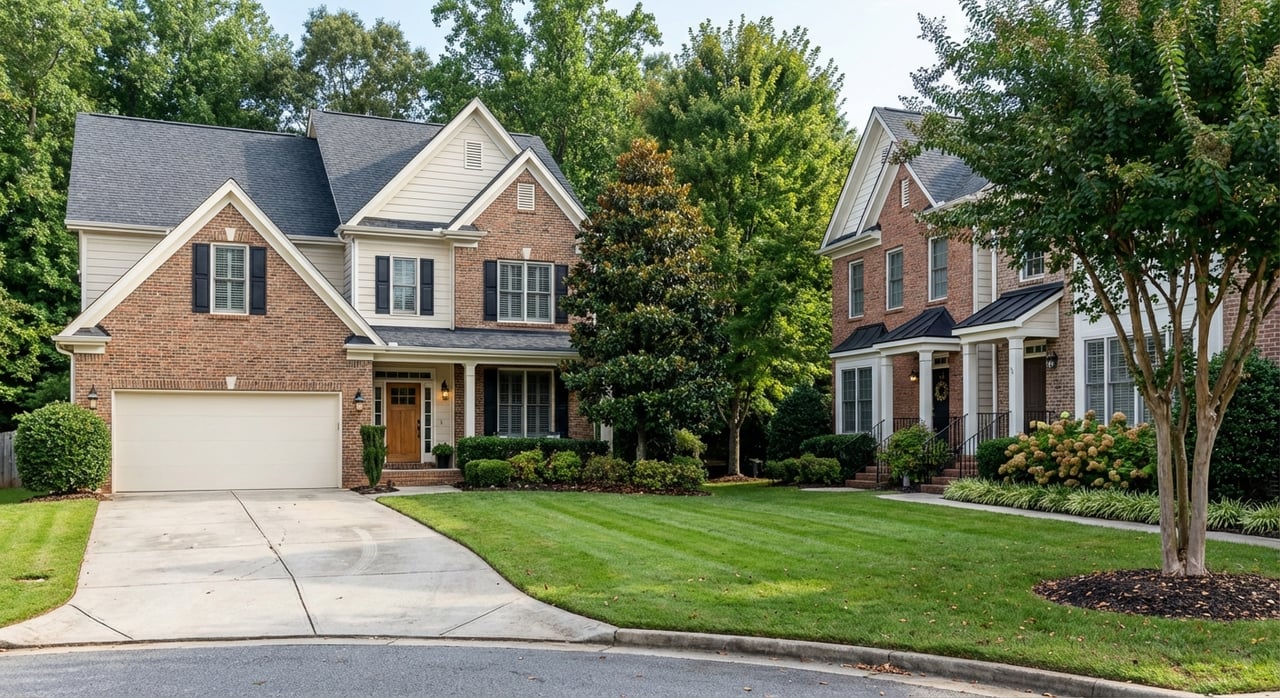
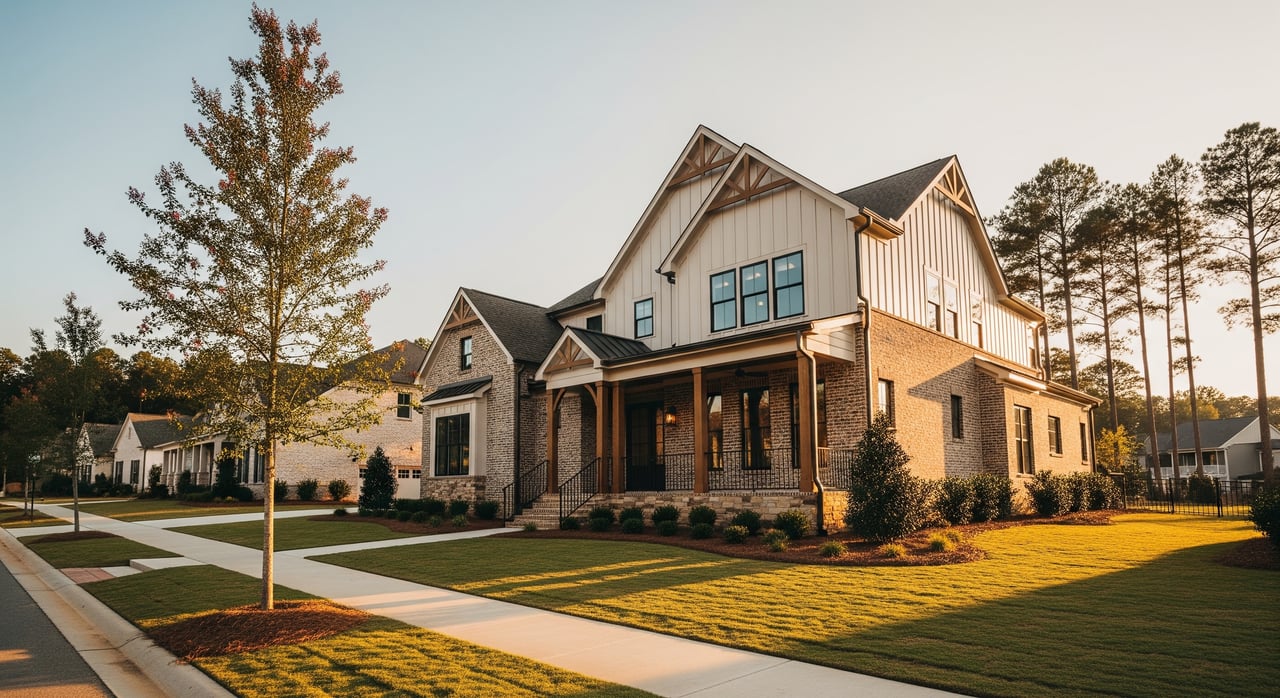
Expect detailed design guidelines. These often specify permitted exterior materials, approved color palettes, roof type and pitch, garage orientation, driveway materials, and stone or trim details. Setbacks, height, and massing are usually defined. Most exterior changes require formal Design Review Board or Architectural Review Board approval.

Construction site standards

If you build or renovate, plan for construction hours, contractor parking rules, erosion control, cleanliness, and site restoration requirements. Many associations hold a construction deposit or bond to protect common areas. Work that starts without approval can lead to fines or removal orders.

Day-to-day use and lifestyle rules

Lifestyle rules help preserve a quiet, well-kept environment. You may see:

  • Parking limits for street parking and guest vehicles
  • Regulations for RVs, boats, utility trailers, and commercial vehicles
  • Pet rules, including leash, cleanup, and sometimes number or size limits
  • Noise and nuisance standards that set quiet hours and equipment restrictions
  • Sign rules that limit political or contractor signs by size, placement, and duration

Rentals and guests

Short-term rentals are frequently restricted or prohibited in luxury gated settings. Confirm the village-specific policy if you plan to rent periodically or seasonally. Guest rules and access may differ for residents and club members.

Landscaping and maintenance

Expect high landscape standards and guidance on irrigation, approved species, and removal of specimen trees. Some villages offer optional exterior services, while others place the responsibility on owners to maintain lots to a set standard.

Amenities and club access

Know what your HOA dues cover versus what the Club provides. HOA or POA dues usually support roads, gates, common landscaping, and general upkeep of shared spaces. Golf, dining, fitness programming, and social events typically fall under Club membership with separate dues, reservation rules, and guest policies. Membership tiers and privileges vary by village.

Dues, assessments, and financial health

Luxury, amenity-rich communities come with higher ownership costs than a typical neighborhood. Before you commit, verify the full picture.

What you may pay

  • Regular HOA or POA dues for routine operations and maintenance
  • Master association assessments for cross-village needs
  • Special assessments for unexpected or major capital projects
  • Construction deposits or impact fees for new builds
  • Transfer and administrative fees at resale, including estoppel fees
  • Club initiation fees and ongoing Club dues if you choose or are required to join

What dues usually cover

Your HOA or POA dues typically fund common-area maintenance, gate or security operations, private road upkeep, management company fees, common-property insurance, and shared utilities. They usually do not cover your personal home insurance, private utilities, interior maintenance, or Club food and beverage costs.

Reserves and risk signals

Ask for the latest reserve study, current financials, and the annual budget. Review them alongside recent meeting minutes. Be cautious about low reserve balances, frequent special assessments, litigation that could affect the budget, or large owner delinquencies. These are common red flags in any association.

ARB approvals for building and changes

If you plan to build or modify, learn the Architectural Review Board process early.

  • Pre-application: Some villages require a meeting to confirm feasibility and standards.
  • Submission package: Typical requirements include a site plan, survey, elevations, materials list, color samples, landscape plan, drainage and erosion details, and contractor information.
  • Timelines: ARBs often meet monthly. Reviews and resubmissions can take 2 to 8 weeks or more depending on complexity.
  • Deposits and inspections: A construction deposit helps cover potential damage. A final inspection and compliance sign-off close the file.
  • Enforcement: Work started without written approval may face fines or removal at the owner’s expense.

Plan your timeline with ARB cycles in mind, especially if you are coordinating design, financing, and builder schedules.

Buyer due diligence checklist

Use this list to stay organized. Prioritize the bolded items first.

  • CC&Rs, Bylaws, Articles, Rules and Regulations, Design Guidelines, and any master association documents.
  • Latest budget, current dues, and recent financial statements.
  • Reserve study plus capital projects planned for the next 3 to 5 years.
  • Meeting minutes for the past 12 to 24 months.
  • Status of any pending or threatened litigation.
  • Current assessments and owner delinquency report.
  • ARB policies, recent approvals and denials, and typical reasons for denial.
  • Club membership terms, initiation fees, annual dues, and whether membership is optional or required.
  • Rules on rentals, pets, parking, exterior changes, and signs.
  • Estoppel certificate or payoff letter and related fees.

Top three actions:

  1. Obtain and read the CC&Rs, Design Guidelines, and the latest financials before you make an offer.
  2. Confirm whether Club membership is required or optional, and request the full fee schedule.
  3. Request an estoppel certificate during escrow to verify dues, assessments, and future obligations.

Questions to ask the HOA, manager, or listing agent:

  • Are any special assessments planned or likely in the near term?
  • Are there private roads or easements that affect property use or maintenance?
  • What are ARB turnaround times and common reasons for denial?
  • Are reserves on track for major replacements, or is there deferred maintenance?
  • What services are included in HOA dues versus billed separately?
  • Are any amenities subject to separate ownership or leases?

Seller prep for a smoother sale

If you are selling, get in front of HOA questions early. Gather your full document set, including Rules and Regulations and Design Guidelines, and provide them to serious buyers. Order or prepare for the estoppel certificate quickly. Disclose any ongoing ARB items and recent or upcoming assessments. Highlight services included in dues to help buyers see value.

Closing, transfers, and financing

Before closing, your agent should obtain an estoppel certificate to confirm the seller’s account status and any future obligations. Ask about transfer or orientation requirements. Some lenders review association financials for risk. If you plan to use special financing programs, ask about approval requirements well in advance.

Is a Cliffs village a fit for you?

The Cliffs near Greenville and Landrum delivers privacy, scenery, and an amenity lifestyle with high standards. In return, you agree to specific design rules, a formal approval process, and recurring dues that support a premium environment. If you value architectural consistency, protected views, and well-kept common areas, this structure can be a great fit. The key is to review the documents and costs carefully so there are no surprises after closing.

If you want help reading the fine print or coordinating your due diligence, reach out to Judy Johnson. You will get local guidance, practical next steps, and a steady hand from contract to close.

FAQs

What is the difference between HOA dues and Club dues in The Cliffs near Greenville?

  • HOA or POA dues fund the community’s common areas and operations, while Club dues cover golf, dining, fitness, and social amenities managed by a separate Club entity.

Are short-term rentals allowed in The Cliffs at Glassy or other villages?

  • Many luxury HOAs restrict or prohibit short-term rentals, so you should verify the village-specific rules in the CC&Rs and Rules and Regulations before planning any rentals.

How long does ARB approval usually take for construction or exterior changes?

  • Many ARBs meet monthly and reviews often take 2 to 8 weeks depending on complexity and whether resubmissions are needed.

Which documents should I review before making an offer in a Cliffs village near Landrum?

  • Ask for the CC&Rs, Bylaws, Rules and Regulations, Design Guidelines, current budget and financials, reserve study, recent board minutes, and any Club membership terms and fee schedules.

What red flags should I watch for in a luxury HOA or POA?

  • Low reserves, repeated special assessments, large owner delinquencies, active litigation, inconsistent rule enforcement, or major deferred maintenance are common warning signs.

Who maintains the roads and gates in The Cliffs communities?

  • Roads and gates are often private and maintained by the HOA or POA using owner assessments, so confirm the responsibility and associated costs in the governing documents.

Work With Us

We understand that buying or selling a home is more than just a transaction: it's a life-changing experience. That's why our team of highly-seasoned real estate professionals is dedicated to providing exceptional, personalized service for all of our clients.